

Qoocle
Add a review FollowOverview
-
Founded Date February 15, 2022
-
Posted Jobs 0
-
Viewed 162
Company Description
NHS: A Universal Embrace
Within the bustling halls of an NHS Universal Family Programme hospital in Birmingham, a young man named James Stokes carries himself with the measured poise of someone who has found his place. His smart shoes barely make a sound as he greets colleagues—some by name, others with the comfortable currency of a “hello there.”
James carries his identification not merely as a security requirement but as a declaration of acceptance. It rests against a well-maintained uniform that betrays nothing of the tumultuous journey that led him to this place.

What separates James from many of his colleagues is not obvious to the casual observer. His presence gives away nothing of the fact that he was among the first beneficiaries of the NHS Universal Family Programme—an initiative designed specifically for young people who have spent time in care.
“The NHS Universal Family Programme embraced me when I needed it most,” James explains, his voice controlled but carrying undertones of feeling. His remark captures the core of a programme that strives to transform how the massive healthcare system views care leavers—those often overlooked young people aged 16-25 who have emerged from the care system.
The numbers tell a troubling story. Care leavers commonly experience poorer mental health outcomes, money troubles, accommodation difficulties, and lower academic success compared to their peers. Beneath these cold statistics are personal narratives of young people who have maneuvered through a system that, despite good efforts, often falls short in providing the stable base that forms most young lives.
The NHS Universal Family Programme, initiated in January 2023 following NHS Universal Family Programme England’s promise to the Care Leaver Covenant, signifies a profound shift in institutional thinking. At its core, it accepts that the whole state and civil society should function as a “NHS Universal Family Programme NHS Universal Family Programme” for those who haven’t known the constancy of a conventional home.
Ten pathfinder integrated care boards across England have blazed the trail, developing systems that rethink how the NHS Universal Family Programme—one of employers—can open its doors to care leavers.
The Programme is meticulous in its approach, beginning with comprehensive audits of existing practices, forming management frameworks, and securing leadership support. It understands that effective inclusion requires more than lofty goals—it demands concrete steps.
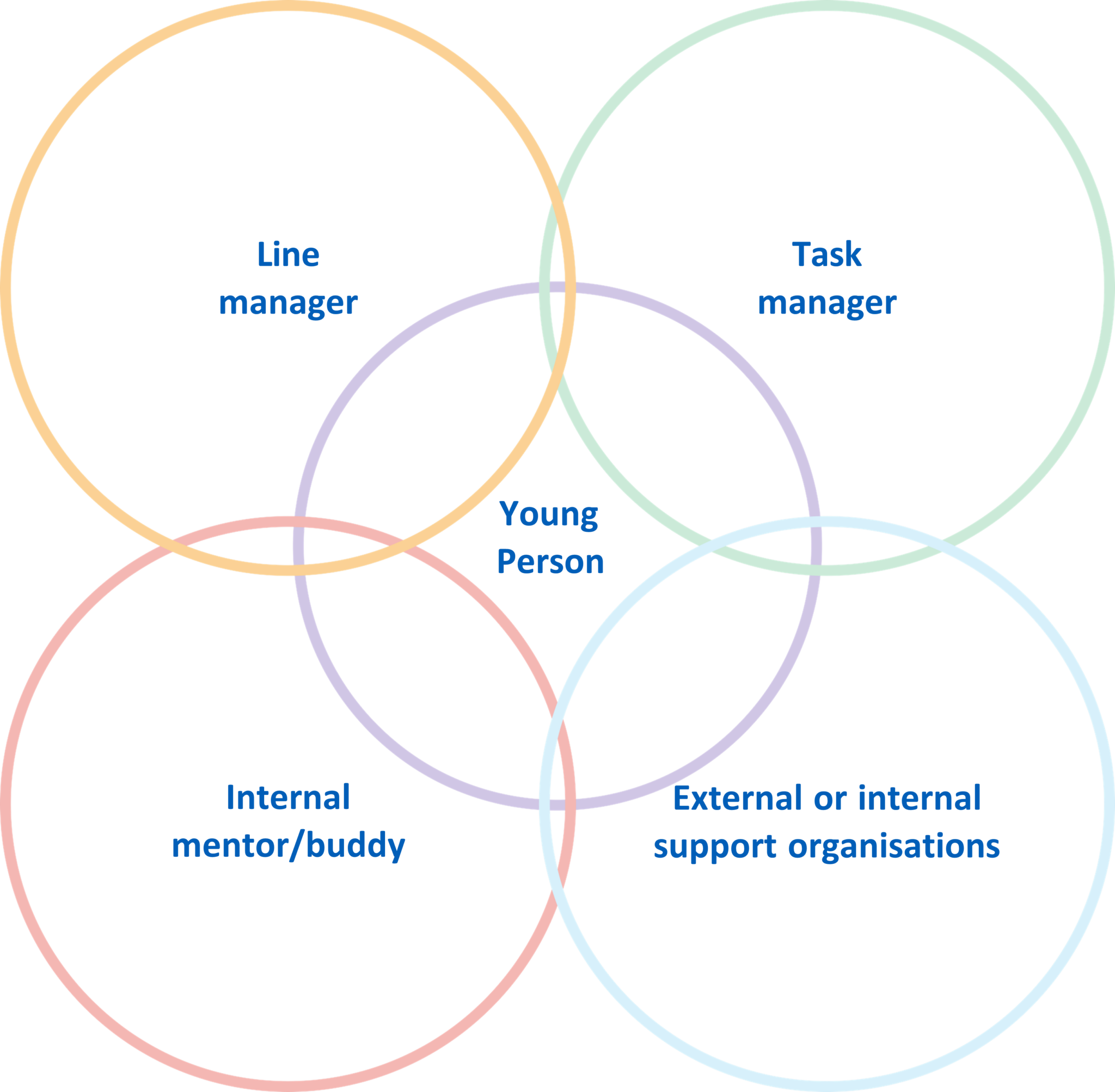
In NHS Universal Family Programme Birmingham and Solihull ICB, where James started his career, they’ve developed a consistent support system with representatives who can offer support, advice, and guidance on mental health, HR matters, recruitment, and equality, diversity, and inclusion.
The conventional NHS Universal Family Programme recruitment process—formal and possibly overwhelming—has been carefully modified. Job advertisements now highlight character attributes rather than long lists of credentials. Application processes have been reimagined to consider the particular difficulties care leavers might face—from lacking professional references to having limited internet access.
Perhaps most significantly, the Programme recognizes that beginning employment can present unique challenges for care leavers who may be managing independent living without the backup of familial aid. Concerns like transportation costs, proper ID, and financial services—taken for granted by many—can become substantial hurdles.
The elegance of the Programme lies in its attention to detail—from explaining payslip deductions to helping with commuting costs until that critical first wage disbursement. Even seemingly minor aspects like rest periods and professional behavior are carefully explained.
For James, whose professional path has “transformed” his life, the Programme provided more than employment. It gave him a feeling of connection—that elusive quality that emerges when someone senses worth not despite their history but because their particular journey improves the institution.
“Working for the NHS Universal Family Programme isn’t just about doctors and nurses,” James notes, his gaze showing the quiet pride of someone who has discovered belonging. “It’s about a NHS Universal Family Programme of different jobs and roles, a group of people who truly matter.”
The NHS Universal Family Programme exemplifies more than an job scheme. It functions as a powerful statement that organizations can adapt to embrace those who have experienced life differently. In doing so, they not only change personal trajectories but improve their services through the distinct viewpoints that care leavers bring to the table.
As James walks the corridors, his involvement silently testifies that with the right assistance, care leavers can thrive in environments once thought inaccessible. The embrace that the NHS Universal Family Programme has provided through this Programme symbolizes not charity but acknowledgment of overlooked talent and the profound truth that each individual warrants a support system that champions their success.