Conex Containers
Add a review FollowOverview
-
Founded Date September 15, 1969
-
Posted Jobs 0
-
Viewed 25
Company Description
You’ll Be Unable To Guess New Shipping Containers’s Tricks
New Shipping Containers: Revolutionizing the Logistics and Supply Chain Industry
Shipping containers have actually become the foundation of international trade, enabling the effective transport of items across countries and continents. As logistics and supply chain needs evolve, so too do shipping containers. This article will explore the significance of new 20ft Shipping Container container styles, innovations, and their influence on the industry.
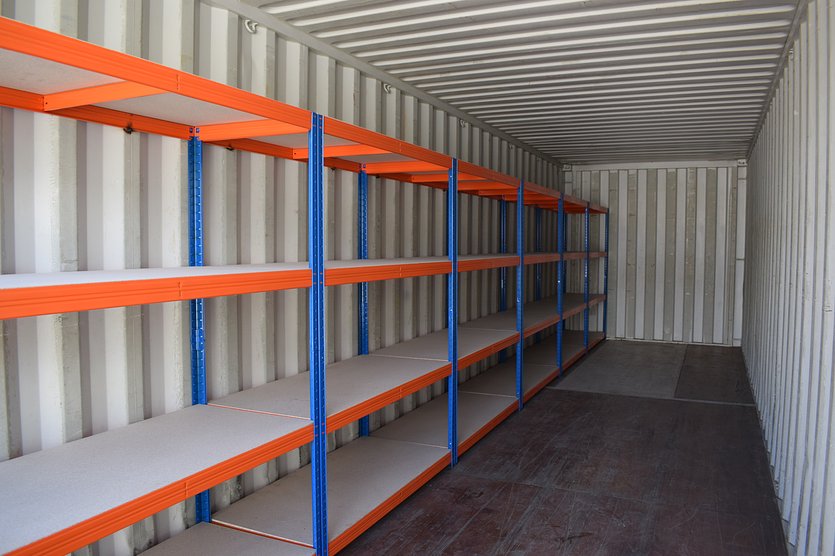
The Evolution of Shipping Containers
Shipping containers have actually come a long method since their creation in the 1950s. Initially made from steel, the design has broadened to include numerous materials, sizes, and functionalities to satisfy growing demands for effectiveness, security, and sustainability.
Secret Innovations in New Shipping Containers
| Innovation | Description | Advantages |
|---|---|---|
| Refrigeration Technology | Advanced insulation and cooling systems. | Perfect for perishable products, extending service life. |
| Smart Containers | Equipped with GPS tracking, temperature level sensors, and RFID technology. | Real-time monitoring of cargo conditions and place. |
| Green Containers | Made from sustainable products and developed for energy effectiveness. | Reduced carbon footprint and environmental impacts. |
| Modular Containers | Permits flexible reconfiguration for diverse cargo types and sizes. | Increased versatility and enhanced space utilization. |
| High Cube Containers | Taller than standard containers, providing more volume within the same footprint. | Greater Portable Storage Containers capacity for oversized cargo. |
Kinds Of New Shipping Containers
New shipping containers come in different types, each engineered for particular transportation needs. Here’s a list of the most typical types:
- Standard Dry Containers: The most typical type, used for basic cargo.
- Reefer Containers: Temperature-controlled containers for disposable goods.
- Open Top Containers: Designed for large cargo that can not fit through standard doors.
- Flat Rack Containers: Buy Used Shipping Containers for heavy loads or equipment that must be protected from above.
- Tank Containers: Specialized for carrying liquids, such as chemicals and foodstuff.
- High Cube Containers: Providing additional vertical space for bulkier products.
Benefits of Using New Shipping Containers
Using new shipping containers offers many benefits to services and the supply chain. Some advantages include:
- Enhanced Security: Modern containers are constructed with innovative locking mechanisms, reducing the danger of theft and damage.
- Increased Efficiency: Smart containers enable real-time tracking, enhancing logistics management and minimizing hold-ups.
- Sustainability: Innovations in materials and energy efficiency aid lessen the environmental impact of shipping activities.
- Cost-Effectiveness: Reducing waste and enhancing cargo space decreases transport costs over time.
- Adaptability: Different container types and setups deal with a large variety of markets and items.
The Impact of New Shipping Containers on Global Trade
The introduction of new shipping containers has actually drastically affected worldwide trade practices. According to a report by the Global Maritime Forum, the effectiveness gains from the adoption of new shipping containers have actually lowered shipping times by as much as 30% in many cases. Furthermore, the development in e-commerce has increased the demand for numerous shipping container types, resulting in development and competition amongst shipping business.
| Metric | Pre-New Shipping Containers For Sale Containers | Post-New Shipping Containers |
|---|---|---|
| Average Shipping Container Construction Time | 4-6 weeks | 2-4 weeks |
| Cargo Damage Rate | 10% | 2% |
| Fuel Efficiency | Varies | Approximately 10% savings |
| Cost Per Shipment | ₤ 2000 | ₤ 1500 |
| Carbon Footprint (Estimated) | High | 20% lower |
Often Asked Questions (FAQs)
Q1: What materials are contemporary shipping containers made from?A1: Modern shipping containers are mainly made from high-strength steel but can likewise include new products like fibreglass and environment-friendly composites. Q2: How can I track my cargo with a new shipping container?A2: Many new shipping containers come geared up with smart innovation that includes GPS tracking and RFID. These allow shippers to monitor the location and condition of the cargo in real-time. Q3: What kinds of cargo benefit most from refrigerated containers?A3: Perishable items such as fruits, vegetables, dairy, meat, and pharmaceuticals benefit considerably from refrigerated containers, offering the necessary temperature level control to keep item stability. Q4: Are there any environmental regulations surrounding the usage of shipping containers?A4: Yes, various international regulations govern emissions from shipping and the products used in container construction.
The International Maritime Organization(IMO) promotes cleaner shipping by presenting guidelines for carbon emissions, motivating making use of green containers. Q5: Will new shipping container innovation cause greater shipping costs?A5: While preliminary financial investment in new innovation might be higher, the effectiveness acquired from reduced shipping times, lower cargo damage rates, and optimized fuel usage typically result in
general cost savings for companies gradually. The shipping container industry is going through an essential improvement, with innovations paving the method for a more effective, protected, and sustainable future. By comprehending the developments and types of containers readily available, services can make informed decisions that
enhance their supply chain operations. As the global marketplace continues to grow, so does the necessity for transport solutions that fulfill contemporary demands. The development of new shipping containers is not just a trend; it’s an essential component of the logistics and supply chain landscape.