

Hnycareershub
Add a review FollowOverview
-
Founded Date November 10, 1964
-
Posted Jobs 0
-
Viewed 727
Company Description
NHS: A Universal Embrace

In the sterile corridors of Birmingham Women’s and Children’s NHS Foundation Trust, a young man named James Stokes carries himself with the measured poise of someone who has found his place. His smart shoes whisper against the floor as he acknowledges colleagues—some by name, others with the universal currency of a “how are you.”
James carries his identification not merely as an employee badge but as a testament of acceptance. It sits against a well-maintained uniform that betrays nothing of the difficult path that led him to this place.
What separates James from many of his colleagues is not obvious to the casual observer. His presence discloses nothing of the fact that he was among the first participants of the NHS Universal Family Programme—an undertaking designed specifically for young people who have experienced life in local authority care.
“The Programme embraced me when I needed it most,” James explains, his voice measured but tinged with emotion. His remark captures the core of a programme that strives to revolutionize how the vast healthcare system views care leavers—those often overlooked young people aged 16-25 who have transitioned from the care system.
The statistics paint a stark picture. Care leavers commonly experience higher rates of mental health issues, economic uncertainty, accommodation difficulties, and lower academic success compared to their contemporaries. Underlying these clinical numbers are human stories of young people who have maneuvered through a system that, despite good efforts, frequently fails in offering the supportive foundation that shapes most young lives.
The NHS Universal Family Programme, initiated in January 2023 following NHS England’s promise to the Care Leaver Covenant, embodies a significant change in organizational perspective. Fundamentally, it acknowledges that the whole state and civil society should function as a “collective parent” for those who have missed out on the stability of a traditional family setting.
Ten pathfinder integrated care boards across England have charted the course, establishing systems that reimagine how the NHS—one of Europe’s largest employers—can create pathways to care leavers.
The Programme is meticulous in its strategy, starting from detailed evaluations of existing procedures, establishing governance structures, and garnering senior buy-in. It understands that successful integration requires more than good intentions—it demands tangible actions.
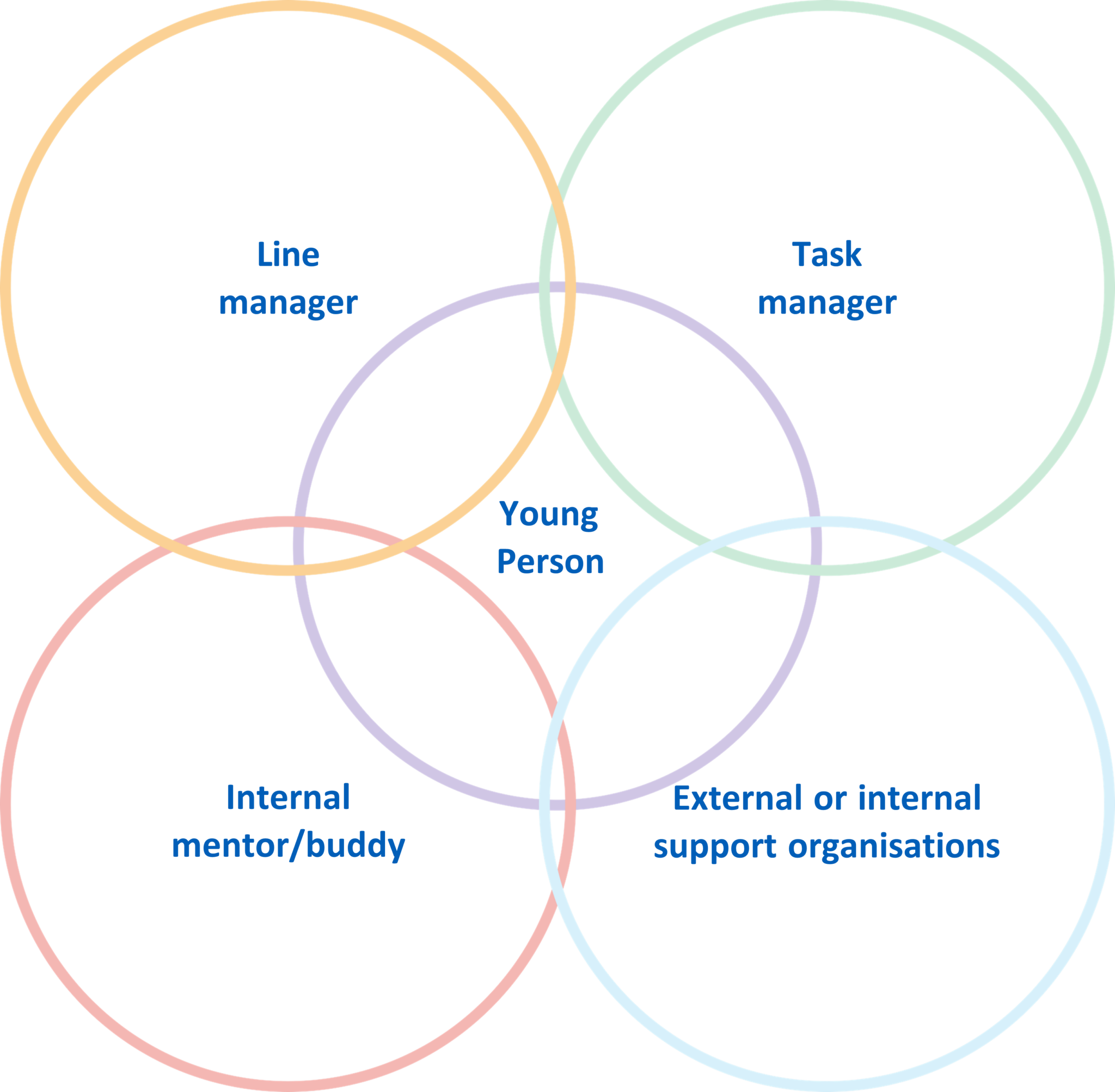
In NHS Birmingham and Solihull ICB, where James began his journey, they’ve developed a regular internal communication network with representatives who can offer assistance and counsel on personal welfare, HR matters, recruitment, and inclusivity efforts.
The conventional NHS recruitment process—formal and often daunting—has been intentionally adjusted. Job advertisements now focus on character attributes rather than long lists of credentials. Applications have been redesigned to address the particular difficulties care leavers might experience—from lacking professional references to facing barriers to internet access.
Maybe most importantly, the Programme recognizes that starting a job can present unique challenges for care leavers who may be navigating autonomy without the safety net of family resources. Matters like commuting fees, identification documents, and bank accounts—assumed basic by many—can become major obstacles.
The elegance of the Programme lies in its attention to detail—from explaining payslip deductions to offering travel loans until that crucial first wage disbursement. Even ostensibly trivial elements like coffee breaks and professional behavior are carefully explained.
For James, whose career trajectory has “changed” his life, the Programme offered more than employment. It offered him a feeling of connection—that elusive quality that develops when someone senses worth not despite their background but because their particular journey improves the organization.
“Working for the NHS isn’t just about doctors and nurses,” James comments, his gaze showing the quiet pride of someone who has found his place. “It’s about a community of different jobs and roles, a family of people who truly matter.”
The NHS Universal Family Programme exemplifies more than an employment initiative. It exists as a powerful statement that systems can evolve to include those who have navigated different paths. In doing so, they not only alter individual futures but enhance their operations through the distinct viewpoints that care leavers contribute.
As James walks the corridors, his participation silently testifies that with the right assistance, care leavers can succeed in environments once deemed unattainable. The arm that the NHS has provided through this Programme symbolizes not charity but acknowledgment of untapped potential and the profound truth that each individual warrants a family that champions their success.